Environmental

In 2024, we joined the National Agreement for the Right to Water and Sustainability, promoted by the President of Mexico. We have achieved strong performance in the management of our tailings deposits.

Water stewardship

We recognize that water is a shared resource of great environmental, social, cultural, and economic value. Protecting it is key to earning and maintaining the trust of communities and regulators in the regions where we operate and develop projects. We are committed to effective water management and stewardship, stakeholder collaboration, and transparency in our performance.

For more information:

Governance

Context of strategic considerations and Impact

Risk and opportunity management

Check out the detailed information on:

Our Approach

Our Performance

Industrias Peñoles water consumption

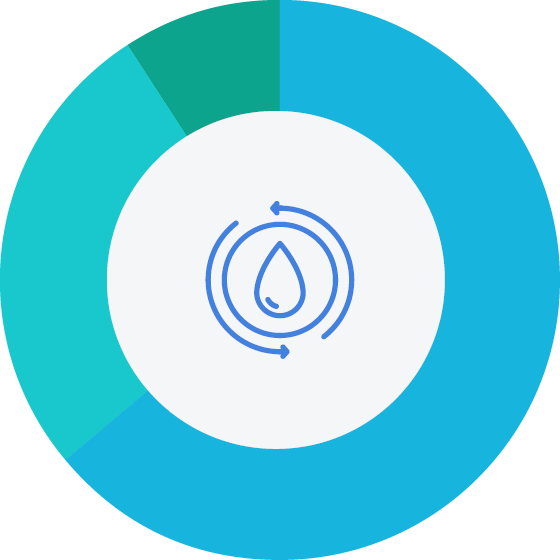
57% Freshwater
15% Brackish water
28% Municipal wastewater

Corporate water balance (Ml)

Total
inputs:

46,773


Operations

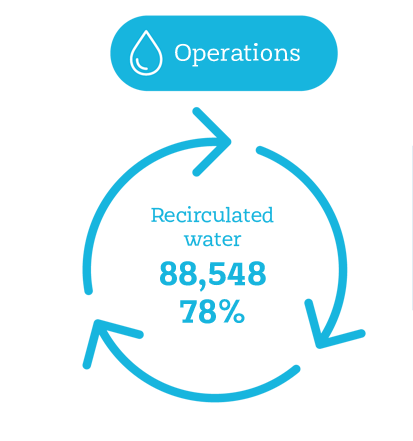
Recirculated water
88,548
78%

Total
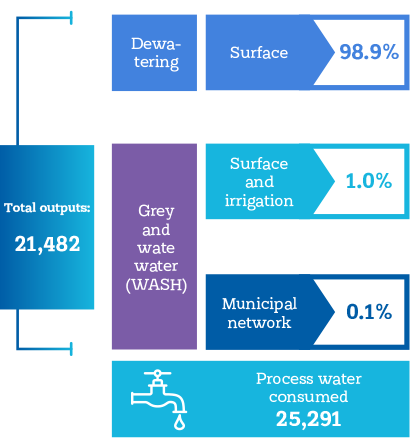
outputs:

21,482

For more information:

2024 Performance and metrics

Mining-metallurgical waste management

Peñoles manages Tailings Storage Facilities (TSFs) responsibly, adopting best engineering and governance practices with the goal of zero harm to people and the environment.

For more information:

Governance

Context of strategic considerations

Impacts, risk and opportunity managment

Performance and metrics


2019

Starting ITRP

  • DSR
  • Future EoR
  • External reviews

2020

TRC established

  • Investigations
  • Instrumentation
  • Reinforcements
  • New tailings storages

2021

Tailings Policy
(Definition)

  • Governance
  • External reviews
  • Annual DSI by EoR
  • TMS

2022

First formal EoR

  • Tailing guidelines definition
  • World-class multidisciplinary team
  • Trade-off studies for new facilities
  • First formal EoR, from design
  • Baseline information
  • External reviews
  • Closure design
  • Stability safety factors

2023

Tailings policy and guidelines, workshop CDA and TMS Internal audit

  • National and international standards
  • Facility lifecycle
  • Risk management
  • External reviews
  • Governance documents
  • Connection to existing systems (ISO)
  • BAP and BAT

2024

Alignment with capital project management

  • Governance update
  • TMS update
  • Emergency Preparedness and Response Monitoring
  • Closure and Post-Closure Monitoring

ITRP: Independent Tailings Review Panel
DSR: Dam Safety Review
EoR: Engineer of Record
TRC: Tailings Review Committee
DSI: Dam Safety Inspection
CDA: Canadian Dam Association
TMS: Tailings Management System
BAP: Best applicable practices
BAT: Best available technology

2024 Performance

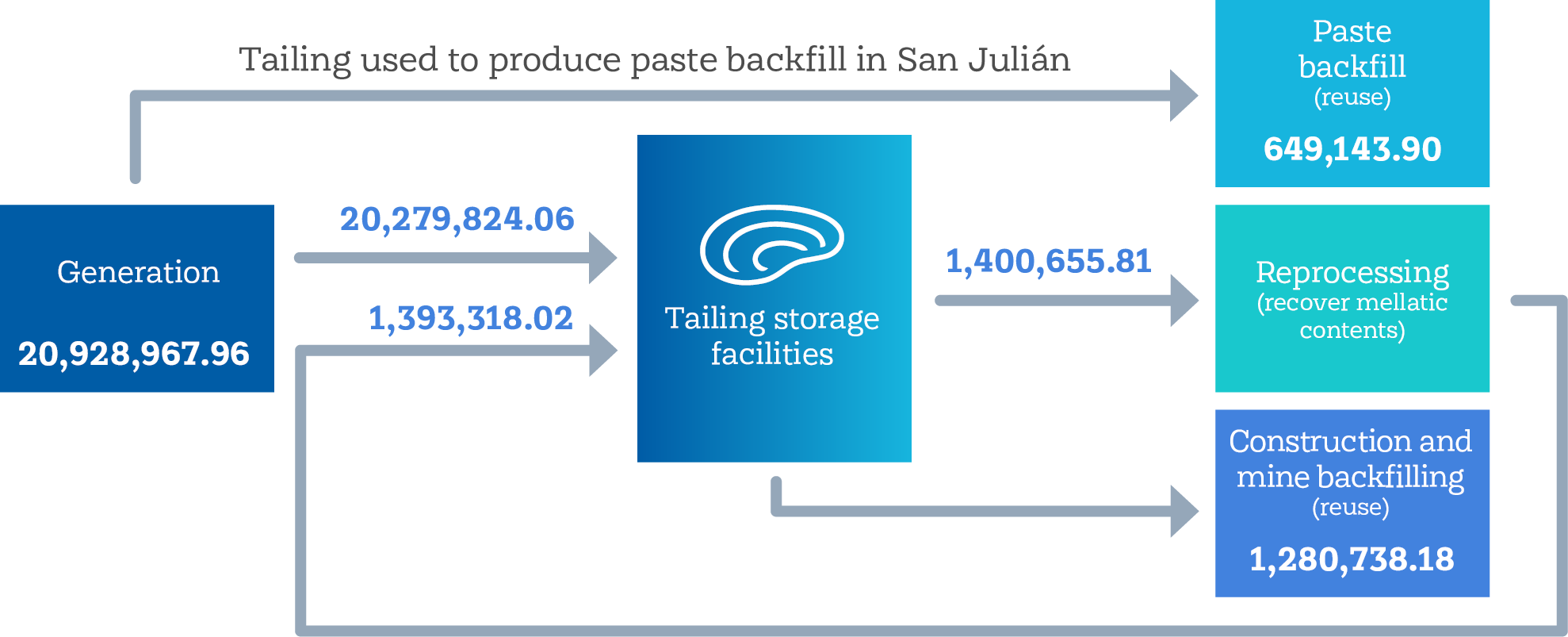
In 2024, 20.92 million tonnes of tailings were generated. Of this total, 0.65 million tonnes were reused as paste backfill; 1.28 million tonnes were employed for construction and backfill of inactive mine workings; and 1.4 million tonnes were reprocessed to recover metallic content.


All figures reported in tonnes.
The difference between the input and output of the reprocessed material represents the mineral concentrate obtained.

Mine closure

We are committed to responsibly managing the risks and opportunities associated with the closure of our operations, engaging our stakeholders with the purpose of achieving a positive legacy. Mine closure considerations are integrated from the early stages of our projects and throughout the entire lifecycle of mining operations. We adopt best practices in engineering and governance to address socio-environmental risks and opportunities.

100% of our operations’ units have a conceptual closure plan that is periodically reviewed.

For more information:

Governance

Context of strategic considerations

Impact, risk and opportunity management

Performance and Metrics

Water stewardship

We recognize that water is a shared resource of great environmental, social, cultural, and economic value. Protecting it is key to earning and maintaining the trust of communities and regulators in the regions where we operate and develop projects. We are committed to effective water management and stewardship, stakeholder collaboration, and transparency in our performance.

Governance
The ESG Steering Committee (see ESG Governance section) is responsible for evaluating the organization’s water management and stewardship performance. The Tailings Steering Committee promotes synergies between good engineering practices and operational governance related to tailings and water management. The operational and environmental teams of our business divisions oversee water stewardship in mining, metals, chemicals, and project development. We have performance guidelines that define water management roles and responsibilities for everyone involved—from executive leadership to operational staff.

Context of strategic considerations
In the mining industry, access to water depends on physical availability, compliance with the regulatory framework, and positive relationships with communities and other stakeholders. These strategic considerations include:

Physical water availability: water stress and climate change
Water availability is increasingly threatened by water stress in the watersheds where we operate and by the physical impacts of climate change. In Mexico, climate change is expected to increase temperatures, evaporation rates, and reduce annual rainfall. It will also intensify extreme rainfall events and prolong droughts, all contributing to heightened water stress.

These conditions highlight the importance of operational practices and technologies that reduce water consumption, increase reuse and recycling, explore the use of brackish or sewage water, and foster collaboration with communities and governments.

Evolution of the regulatory framework and stakeholder expectations
Water regulatory frameworks are expected to evolve globally in response to stakeholder demands and climate change. As water becomes scarcer, its real value will rise, potentially increasing costs. There will be growing expectations for collaboration between mining companies and other local water users, particularly neighboring communities. Projects located in watersheds within Indigenous territories will face heightened consultation expectations.

Implications for value creation levers
Strategic water challenges may affect key value drivers, highlighting the need for a robust water stewardship strategy.

These implications include:

  • Limitation on growth
  • Mine closure
  • Reduced or interrupted production
  • Lower revenues due to decreased output
  • Higher production costs
  • Upfront costs for implementing new practices
  • Increased compliance expenses
  • Reputational damage
  • Deterioration or loss of social license
  • Fines and penalties
  • Litigation
  • Supply chain disruption

Impact, opportunity, and risk management
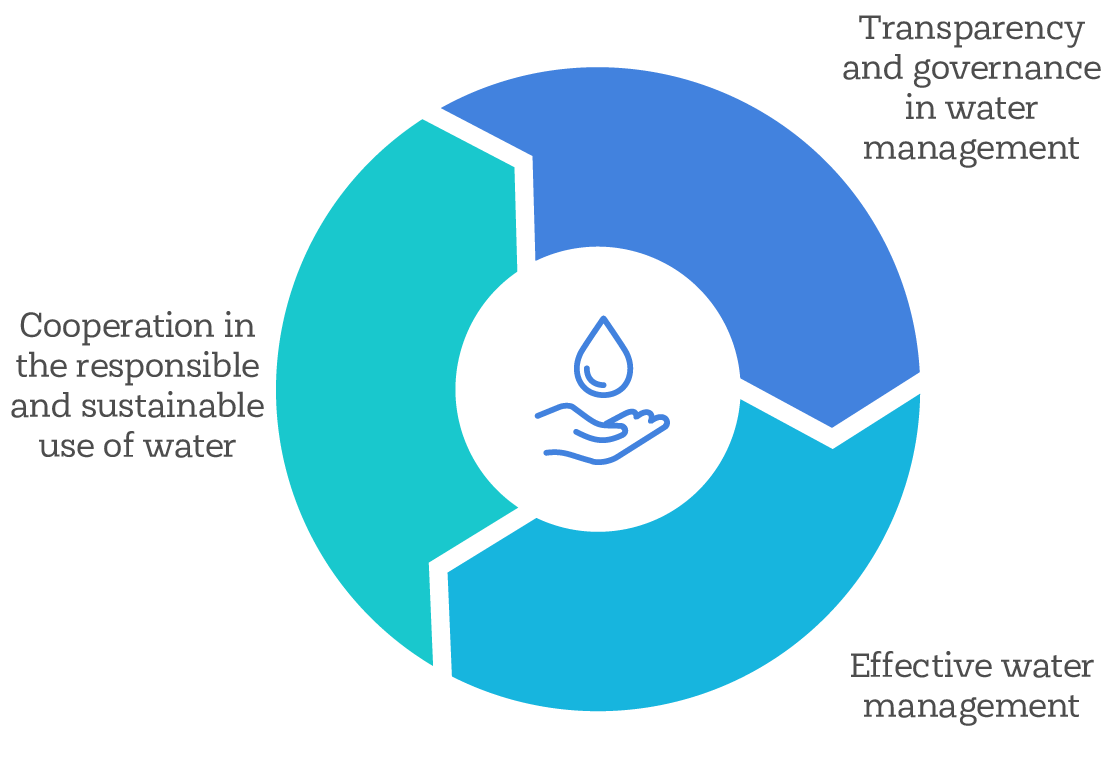
Our strategy for managing water-related impacts, risks, and opportunities is based on three pillars aligned with the International Council on Mining and Metals (ICMM) Position Statement on Water Stewardship and the United Nations Sustainable Development Goal 6.

Water management and care
A key process in our strategy involves identifying and mitigating physical, regulatory, reputational/market, and technological risks in the watersheds where we operate and throughout our value chain.

Type of risk Potential risks
Chronic physical Changes in annual rainfall, aquifer depletion, water stress, infrastructure shortages, ecosystem vulnerability, land-use change, soil degradation, acid mine drainage.
Acute physical Hurricanes, droughts, extreme rainfall, environmental incidents, tailings spills.
Regulatory Increased water prices, stricter regulations, permit challenges, rationing, reduced concession volumes.
Reputational/market Community opposition, stakeholder concerns, litigation, negative media coverage.
Technological Limited watershed data, lack of efficient technologies, underperforming tech investments.

Effective water management
Effective water management considers both quantity and quality, along with impact prevention. Our main resilience strategies in water-stressed areas include reducing consumption and utilizing water of varied quality. We leverage process and environmental monitoring to help avoid impacts on water resources.

> Quantity and quality of water sources
We aim to reduce freshwater use through technology selection and continuous improvement. Closed-loop systems enable water recirculation and eliminate process discharges.

The nature of our operations allows us to use water of varying qualities, reducing dependence on freshwater. We integrate wastewater reuse from local communities, and we recycle our own gray and black water. Some processes can also utilize brackish water, reducing freshwater needs in
water-stressed areas.

> Preventing impacts on water resources
During project development, we conduct hydrological and geohydrological studies as part of our environmental baseline and impact assessments. We also incorporate water considerations in our social studies, allowing for ecosystem and community impacts to be considered in project design. We select technologies and processes that avoid negative impacts on water quantity and quality.

In our operations, we use site- and facility-level water balances to inform water management plans. Monitoring plans ensure compliance with environmental authorizations and water use permits. We implement critical controls to prevent environmental incidents as part of our High Potential Strategy. Integrated mine closure plans also consider water-related impacts and aim to generate positive environmental and community outcomes.

Collaboration in the responsible and sustainable use of water
Performance and collaboration with communities and regulators for the sustainable use of water are vital for earning trust and maintaining social license. We engage stakeholders and promote responsible water use through partnerships. We have formal agreements to treat wastewater in Torreón and Fresnillo, reducing freshwater use and easing the treatment burden for municipalities.

Through taxes and fees, we contribute to public investment in water infrastructure, and work with communities on joint projects to improve water access in the regions where we operate.

Transparency and governance in water management
We are committed to improving our water performance accounting and reporting, using the ICMM Water Accounting Framework and GRI standards. We continue expanding internal standards and implementing critical controls as part of our High Potential Strategy.

Water stewardship

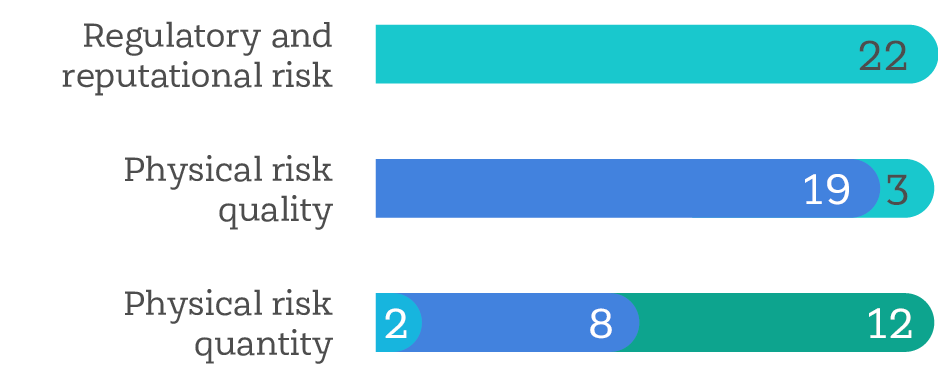
As of 2024, 73% of our operations are located in areas of extremely high-water stress, 9% in areas of medium-high stress, 5% in low-stress areas, and 14% in arid and low water use zones. For overall water risk-related in the mining sector—including physical, quality, and regulatory and reputational risks—9% of our business units fall into the extremely high-risk category and 64% into high risk.

Business units by risk category (WRI)

Overall water risk

0% Low-Medium (1-2)
27% Medium-High (2-3)
64% High (3-4)
9% Extremely High


Alliance for the common good

In 2024, Peñoles and Fresnillo signed the “National Agreement for the Right to Water and Sustainability,” led by the President of Mexico and published in the Official Gazette on December 19. As part of this agreement, we contributed 2.055 million cubic meters of concessioned water to be flexibly returned to national waters, contributing to the common good.

We recognize water as a shared resource of great environmental, social, cultural, and economic value, and join this initiative in full alignment with our commitment to the common good and sustainable water use.

Peñoles will continue investing in infrastructure that supports water circularity, benefiting both communities and our operations. Examples include the Fresnillo water and wastewater treatment plants in Zacatecas, the Torreón treatment plant in Coahuila, and a project in Caborca, Sonora.

Performance and metrics
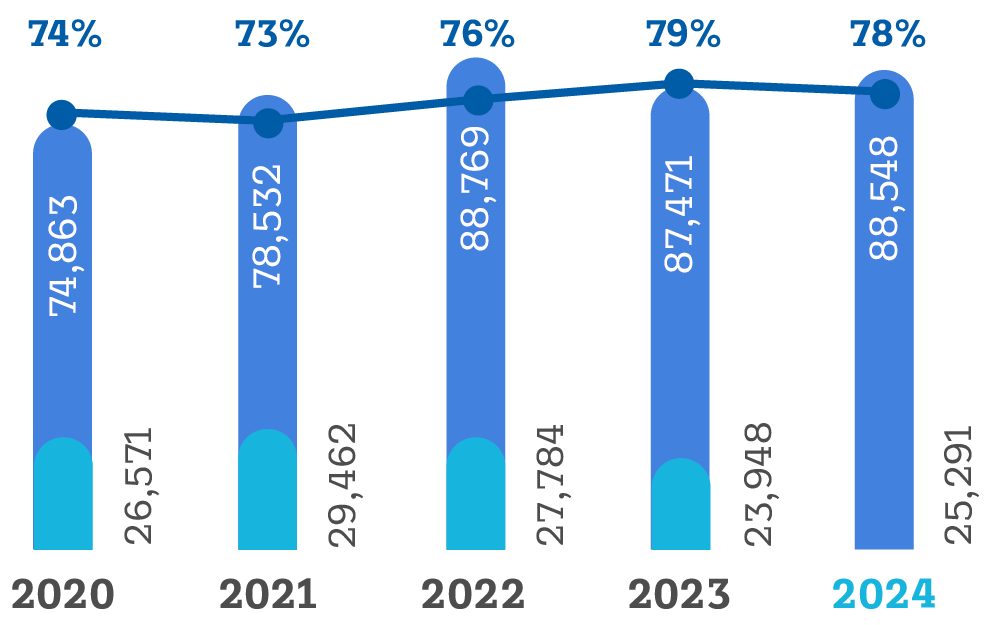
We fully comply with all applicable water regulations and maintain our reputation through best practices. These practices help reduce costs and increase efficiency, particularly through recirculation.

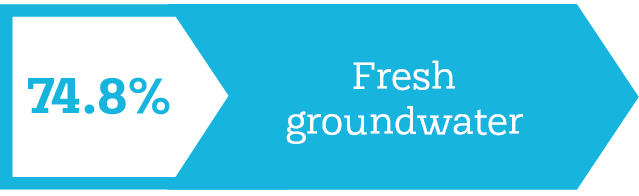
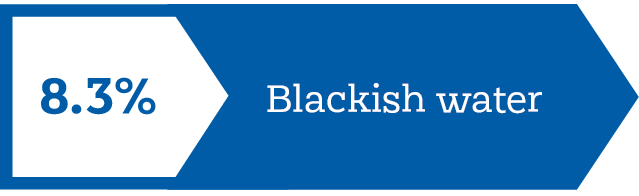
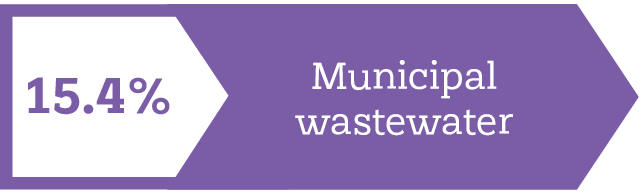
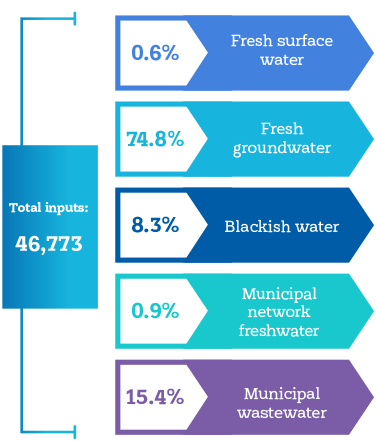
We recirculate 78% of our process and sanitary water. Municipal wastewater accounts for 15.4% of total intake, and we opt for brackish water in arid regions to minimize freshwater use. Preventive and predictive maintenance helps avoid leaks. We also use measuring devices and treatment systems for internal water recirculation.
We discharged no process water in 2024 due to our closed-loop systems. There were no incidents of noncompliance with water quality permits, standards, or regulations.

Balance (Ml)     Año
  Category Source 2024 2023*
Inputs Freshwater Surface water 294.01 735.57
Municipal
distribution system
421.24 412.85
Groundwater 34,973.13 27,538.00
Brackish water 3,868.96 3,613.88
Treated water Municipal wastewater 7,216.09 6,412.31
TOTAL inputs 46,773.44 38,712.62
  Type of water Destination 2024 2023
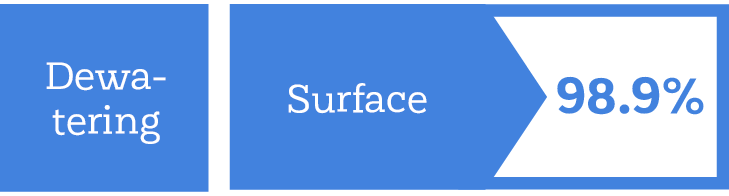
Outputs Dewatering Surface water 21,244.25 14,500.83
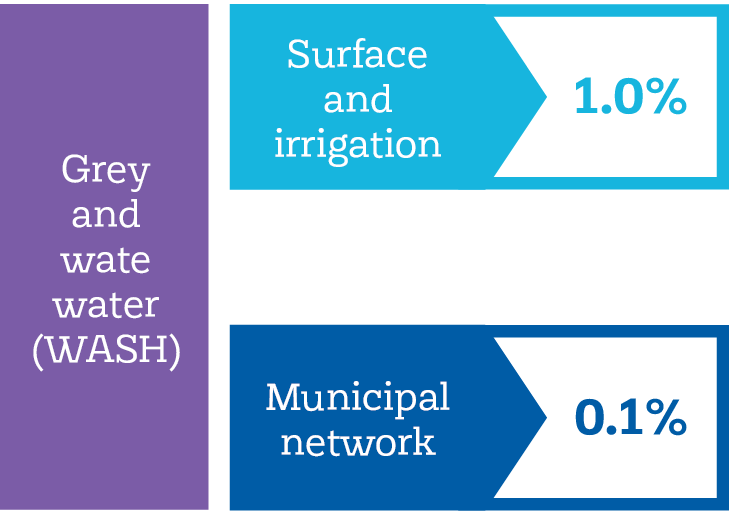
Water, Sanitation and Hygiene (WASH) Surface water /Irrigation of green spaces 218.66 244.80
Municipal wastewater 19.51 19.05
TOTAL outputs 21,482.42 14,764.68
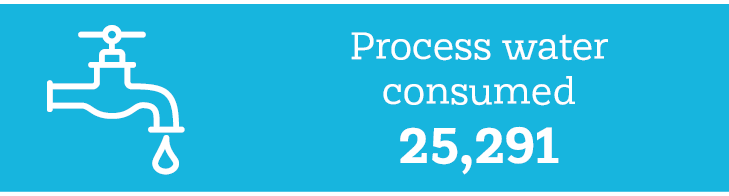
  Water consumed in our processes 25,291.02 23,947.94
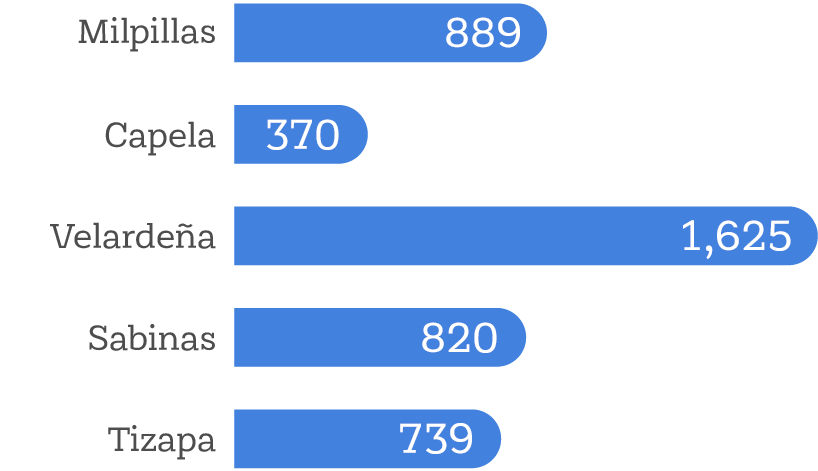
Peñoles Mines 4,444.38 4,725.33
Fresnillo plc Mines 13,830.75 12,395.29
Metals 3,189.00 3,259.82
Chemicals 3,826.88 3,567.51

* Groundwater extraction from Bermejillo (from the Metals division) was reclassified as brackish water, based on water characterization; WASH discharges were also broken down.

     
Company Reportable Incidents Significant Incidents
Peñoles 0 0
Fresnillo plc 0 0


Municipal wastewater accounts for 15.4% of total intake, and we opt for brackish water in arid regions to minimize freshwater use.

Note:

  • Inputs: All water entering the operating system for consumption or diversion (dewatering).
  • Outputs: Water returned into the environment or to a third party.
  • Process water consumed: Water used for operations and permanently lost through evaporation, trapped in concentrates or tailings, or other losses.
  • Recirculated water: Water recovered and reused in operations, either untreated (reuse) or treated (recycling).
  • Types of water:
    • Fresh surface water: Spring water
    • Fresh groundwater: Underground water that is stored or flows in the pore spaces of soil and rock, as well as groundwater that surfaces due to mining activities (mine water)
    • Brackish water: Water with high total dissolved solids (>2,500 mg/L)
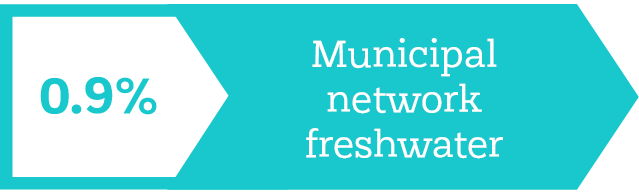
    • Municipal network freshwater: Water from municipal supply
    • Municipal wastewater: Municipal sewage water
    • Dewatering: Mine water that is not consumed and is returned to a natural water course
    • Gray water: Wastewater from sanitary uses
    • Waste water: Sanitary wastewater that has undergone treatment

Operating efficiency

Water consumption, reuse, and reuse percentage

Freshwater withdrawals and consumption (Ml)

Withdrawals Consumption
Freshwater Total Freshwater Total
35,688.39 46,773.44 14,394.60 25,291.02

Reuse (MI)
Consumption (inputs minus outputs MI)
Reuse percentage (water reused out of total water used)

Industrias Peñoles water consumption

57% Freshwater
28% Brackish water
15% Municipal wastewater

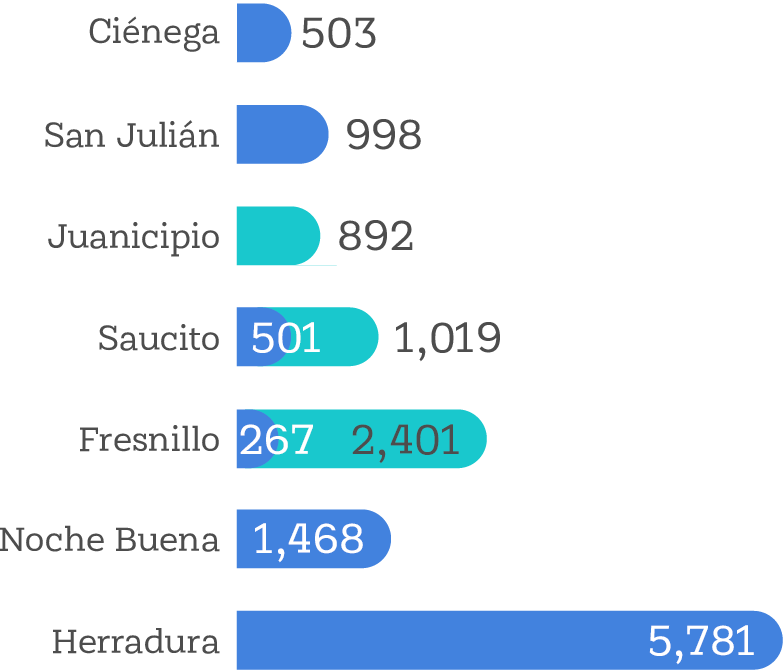
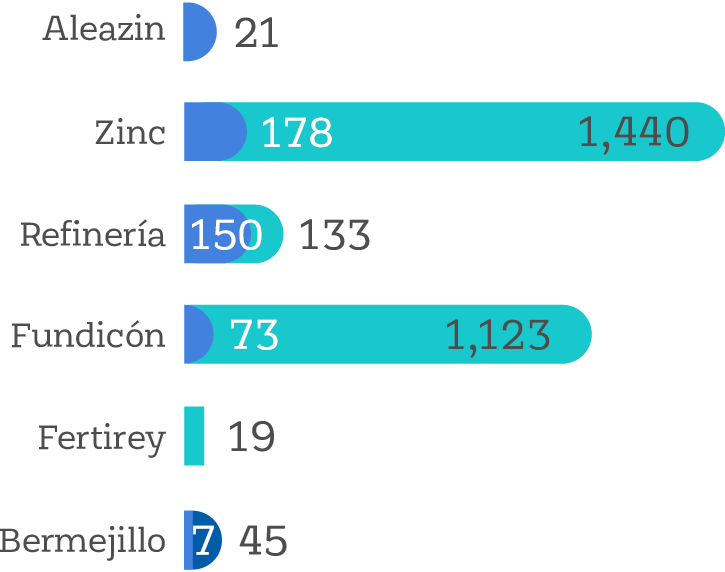
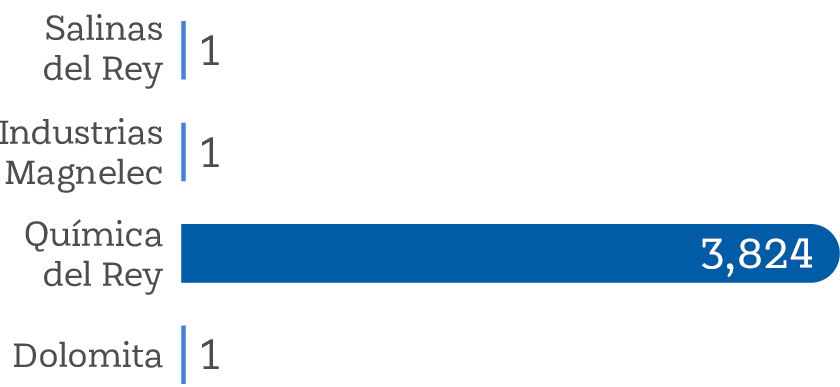
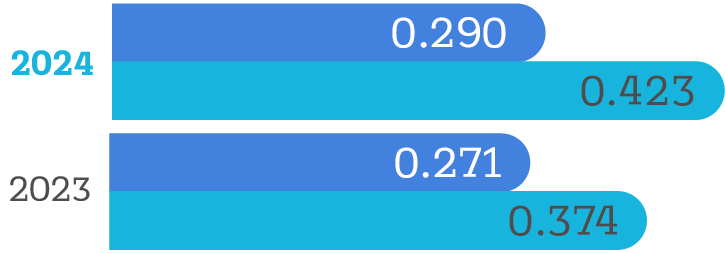
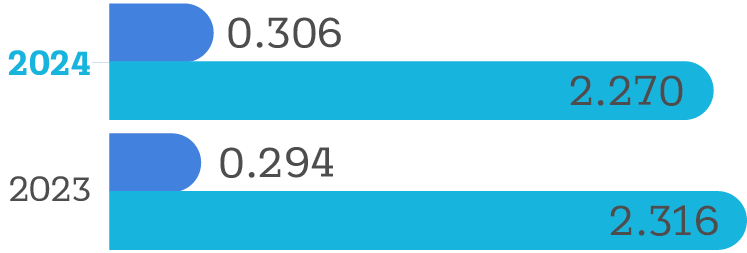
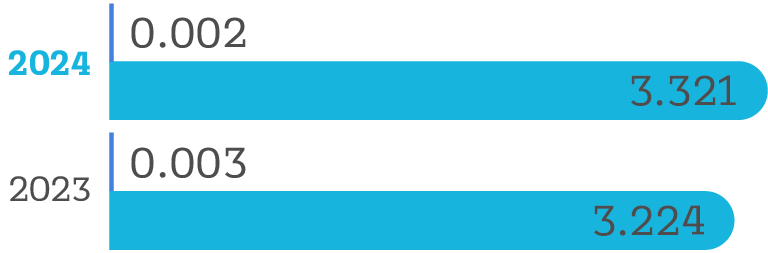
Industrias Peñoles water consumption by business unit (MI)

Peñoles Mines

Fresnillo plc Mines

Metals

Chemicals

Freshwater
Brackish water
Municipal wastewater

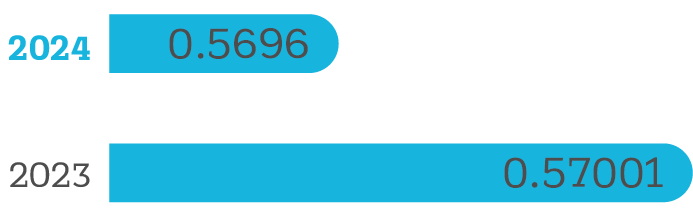
Consumption intensity by division

Peñoles Mines
(m3/t ore milled)

Fresnillo plc Mines
(m3/t ore milled)

Metals
(m3/t production)

Chemicals
(m3/t production)

Freshwater consumption   Total consumption

Production: Metals and Chemicals divisions include products and byproducts.

Withdrawal and consumption of freshwater by water-stress location

Water stress location (WRI) Withdrawal of freshwater Consumption of freshwater Recirculated (Ml) Reuse
percentage
Low (<10%) 1.04% 2.57% 5,528 93.72%
Medium-High (20 - 40%) 4.87% 12.07% 3,166 64.57%
High (40 - 80%) - - - -
Extremely High (>80%) 94.09% 85.34% 79,563 86.62%
Arid and low water use 0.01% 0.01% 291 99.38%
 

Most of our operations are in extremely high-water stress areas. Therefore, we strive to utilize and recycle municipal wastewater, which represents 17.8% of the total water input in these areas. During the year, we recirculate and reuse 79,563 Ml, equivalent to 86.6% of the total water used in our processes.

Preventive and predictive maintenance helps avoid leaks. We also use measuring devices and treatment systems for internal water recirculation.